
.svg)
...


Oops! Something went wrong while submitting the form.


.webp)
.svg)
EquityList Team

Tax ID and Securities Account documents can no longer be downloaded during account approval. They can only be viewed in the in-platform PDF viewer, preventing local downloads during approval.
Why it matters: These documents contain sensitive personal and identity information. Making them view-only during account approval enhances privacy and compliance by preventing the files from being downloaded and stored locally.

.svg)
EquityList Team
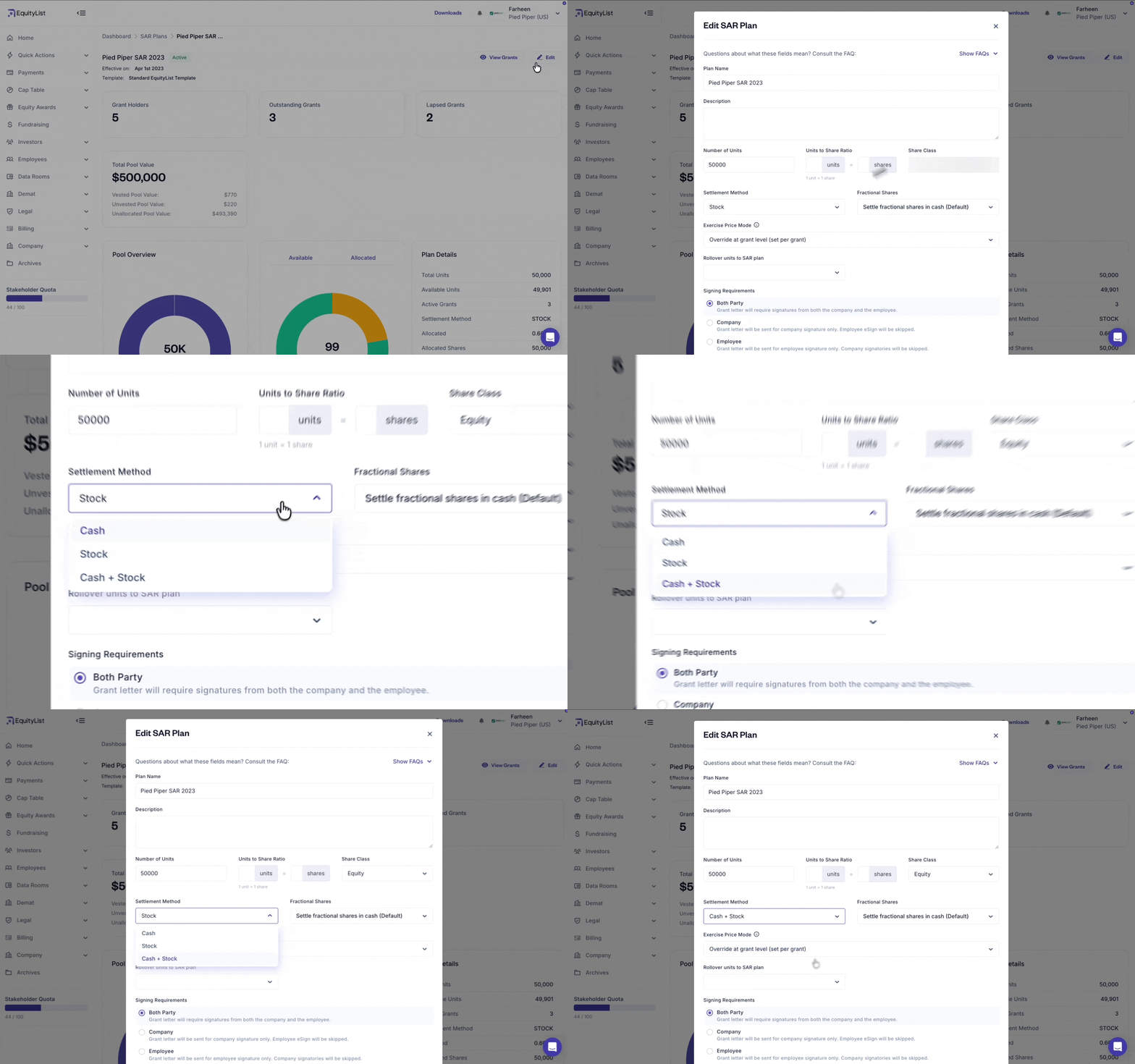
Equity Awards > Pools
When configuring a SAR pool, you can now choose a new ‘Cash + Stock’ settlement method, in addition to the existing Cash and Stock options.
EquityList Team
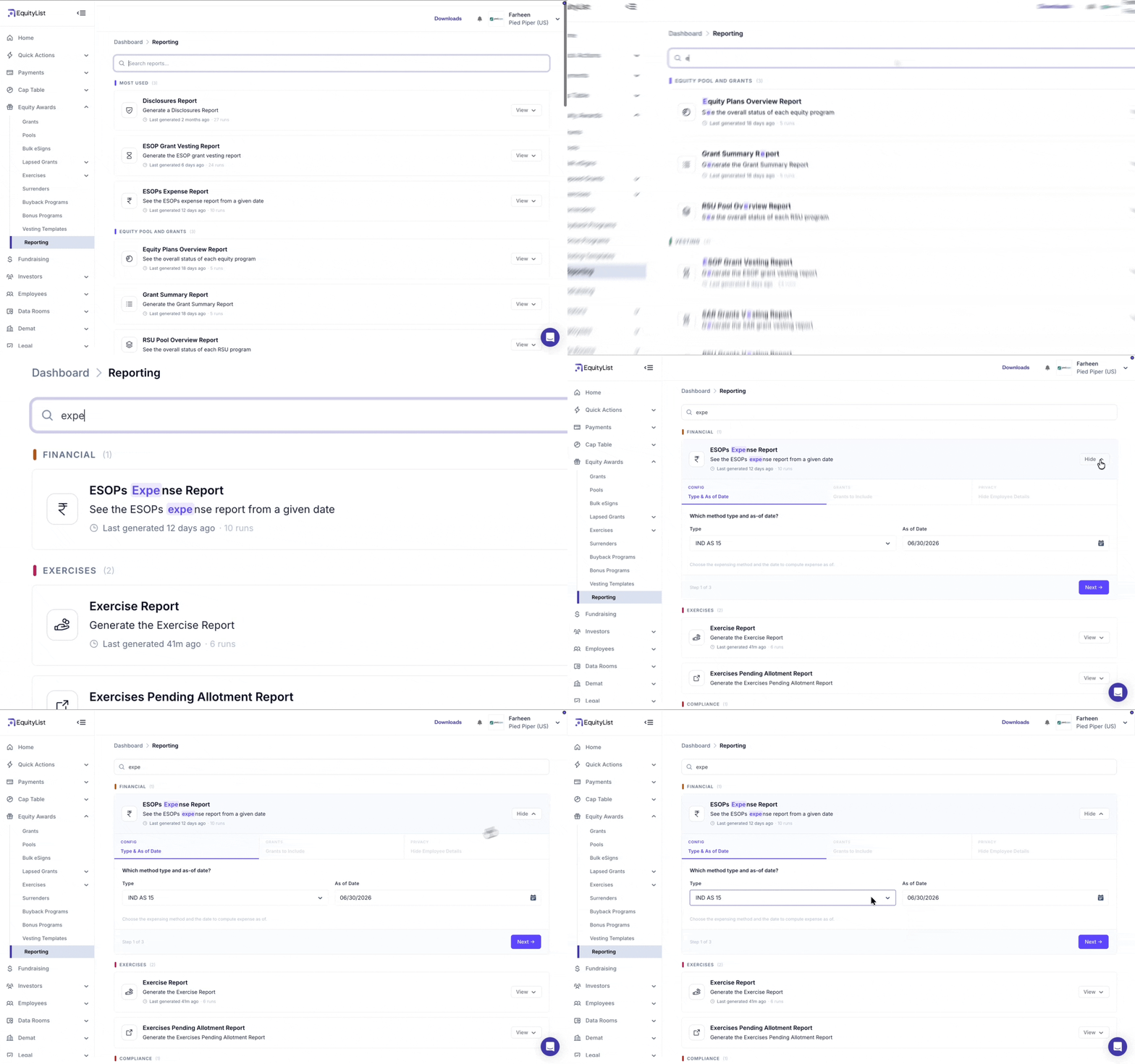
Equity Awards > Reporting
The reporting experience has been redesigned to make reports easier to find. Your most frequently used reports are now surfaced at the top, and improved search lets you narrow down to the exact report you need.
EquityList Team
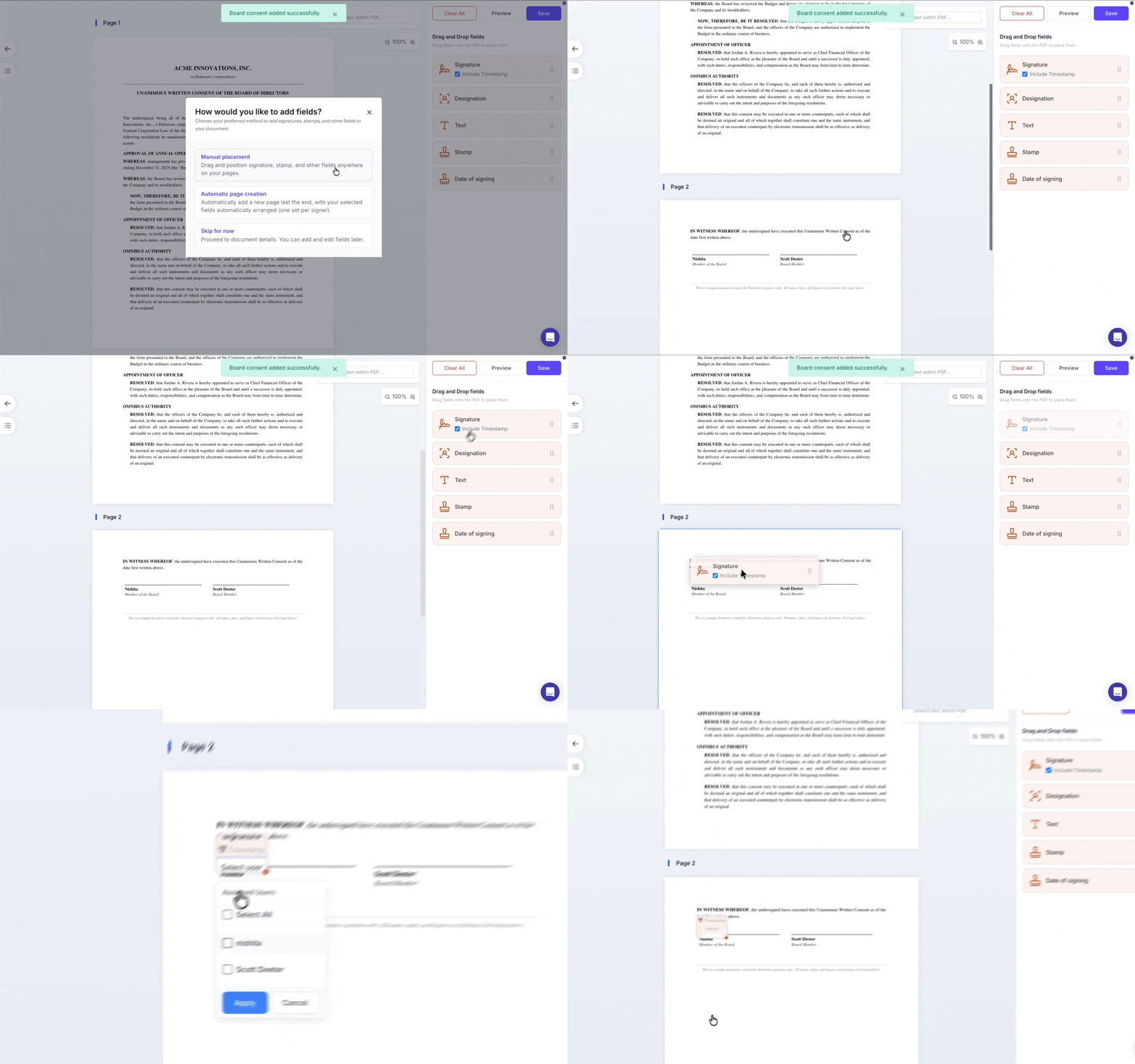
In the PDF editor used for e-signing documents, you can now place fields — such as signature, designation, and stamp — directly onto a document by dragging and dropping them from the UI, rather than inserting template variables as before.
You can add multiple signature blocks anywhere on the page and assign each one to a different signatory — so the layout matches your company's legal document requirements, where different signatories may sign in different places.
EquityList Team
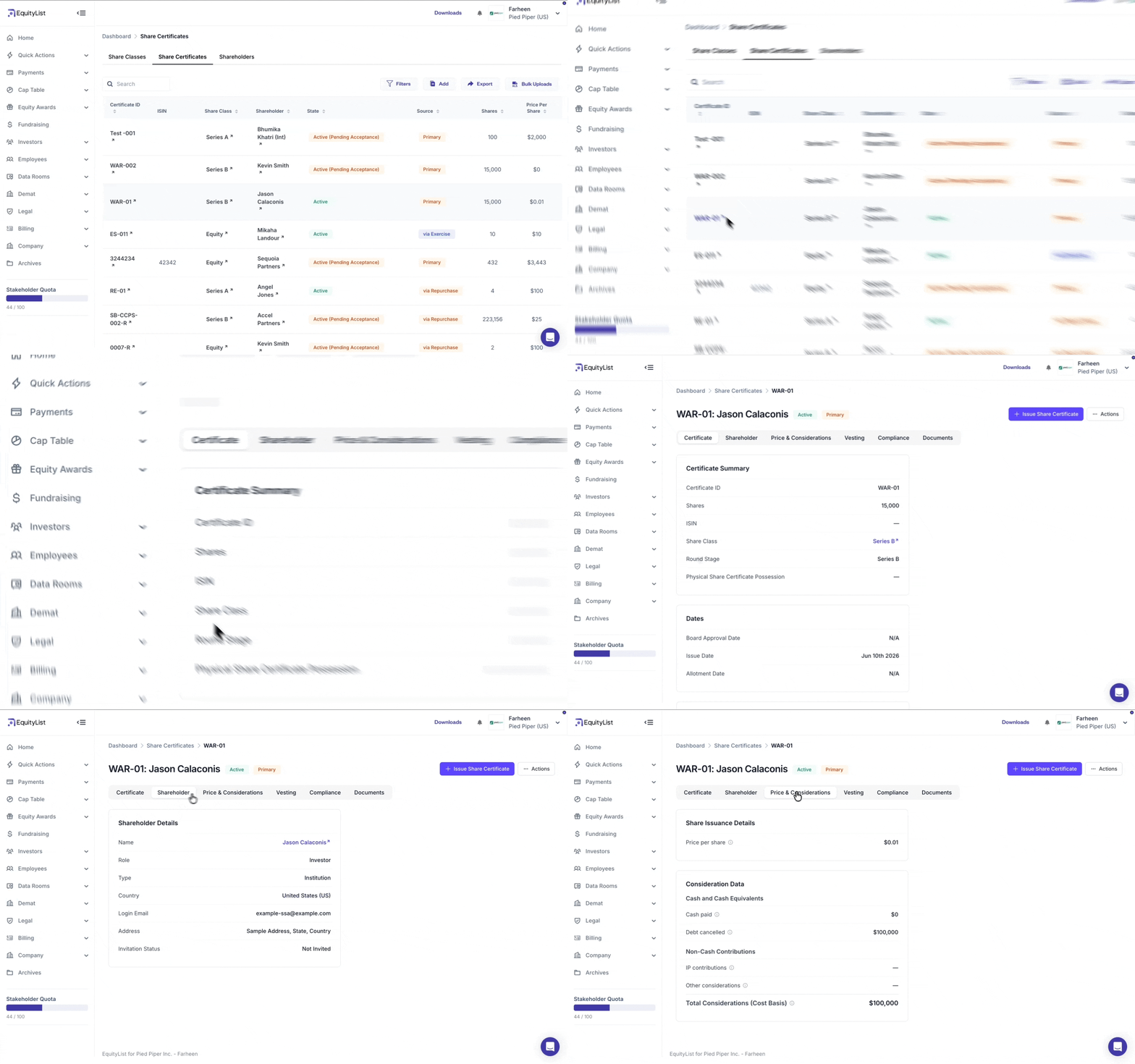
Cap Table > Shares > Share Certificates
The share certificate section has had a full UI overhaul, moving to a cleaner tabbed layout that reduces clutter and improves readability.
Share issuance details (how shares were issued on the cap table) and consideration data (the value exchanged to acquire them, i.e. cost basis) are now clearly separated rather than mixed together.